Curtain Cleaning in Modern Homes: Fresh, Healthy, and Beautiful Window Treatments
Curtain cleaning is one of the most overlooked parts of home maintenance, yet it has a major impact on the look, feel, and hygiene of any space. Whether your curtains are light and airy, heavy and luxurious, or practical and minimal, they collect dust, odors, pollen, pet hair, and everyday pollutants over time. Regular curtain cleaning not only improves appearance but also helps create a healthier indoor environment. For homeowners, renters, and business owners alike, keeping window treatments fresh is a simple way to enhance comfort and extend fabric life.
Many people notice when their floors, windows, or upholstery need attention, but curtains often blend into the background. Because they hang quietly in the room, they are easy to ignore until they start looking dull or smelling stale. That is why curtain cleaning should be part of a routine care plan rather than a last-minute task. With the right methods, you can maintain fabric quality, preserve color, and reduce indoor allergens without causing unnecessary wear.
Professional curtain cleaning and careful at-home maintenance both have a place in a well-kept home. The best approach depends on the fabric type, construction, lining, and the level of dust or staining. In this article, we will explore why curtain cleaning matters, the best methods to use, how often to clean curtains, and what to consider when choosing a service or DIY technique.
Why Curtain Cleaning Matters More Than You Think
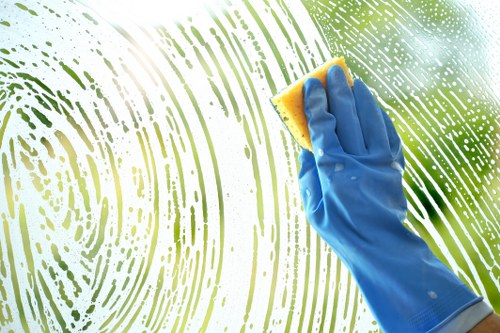
Curtains act like filters in your home. Every day, they trap airborne particles such as dust, smoke residue, cooking odors, and pet dander. Over time, those particles settle into the fibers, making fabrics look older and less vibrant. Curtain cleaning removes this buildup and helps the fabric breathe again. The result is a fresher room, cleaner air, and a more polished appearance.
Another reason curtain cleaning is important is that fabric can absorb odors from the surrounding environment. Kitchens, living rooms, and homes with pets may notice this especially quickly. Even if curtains still look acceptable from a distance, they may carry a lingering smell that affects the whole room. Regular curtain cleaning helps eliminate these trapped odors before they become noticeable.
It also plays a role in protecting your investment. Quality drapery can be expensive, and replacing it prematurely is unnecessary if proper care is used. By keeping up with curtain cleaning, you reduce the risk of fabric degradation, fading, and dust-related damage. This is especially true for delicate or specialty curtains that require gentle handling.
Signs Your Curtains Need Attention
Not sure when it is time for curtain cleaning? There are several clear signs that your window treatments need care. The most obvious is visible dust, especially around the hems, folds, or top pleats. If you run your hand across the fabric and see residue on your fingers, the curtains have likely accumulated more buildup than they should.
Fading, discoloration, and dullness are also common indicators. Sunlight can gradually alter the look of fabric, but dirt and dust often make the problem worse. When curtain cleaning is delayed, natural brightness can be lost, leaving the room looking older and less inviting.
Odor is another major clue. If your curtains hold onto musty, smoky, or cooking smells, they are likely due for a wash or professional treatment. In some cases, you may also notice increased allergy symptoms, sneezing, or irritation in rooms with neglected drapery. Clean curtains can make a noticeable difference in comfort.
Other signs include:
- Visible pet hair or lint buildup
- Stiff or heavy-feeling fabric
- Stains or water marks
- Uneven color near windows
- Dust floating in sunlight near the curtain surface
Different Curtain Fabrics and Their Cleaning Needs

Not all curtains are created equal, and curtain cleaning should always match the material. The wrong approach can shrink fabric, cause wrinkles, distort texture, or damage lining. Before cleaning, identify whether your curtains are cotton, polyester, linen, velvet, silk, or a blended material. Fabric composition determines whether machine washing, hand washing, steam treatment, or dry cleaning is best.
Cotton and polyester curtains are often the easiest to maintain. Many can be machine washed on a gentle cycle, though care labels should always be checked first. These materials are popular because they are durable, versatile, and generally forgiving during routine curtain cleaning.
More delicate fabrics like silk, velvet, and lined drapery usually require extra care. Silk may water-spot easily, velvet can lose its pile, and interlined curtains can warp if handled incorrectly. In these cases, professional curtain cleaning is often the safest choice. A specialist will know how to preserve texture while effectively removing dust and soil.
Common fabric care examples include:
- Cotton: Often washable, but may shrink if exposed to high heat.
- Polyester: Usually low-maintenance and machine friendly.
- Linen: Breathable and elegant, but prone to wrinkles and creasing.
- Silk: Delicate and best cleaned by experts.
- Velvet: Sensitive to pressure and moisture, usually requiring specialist treatment.
At-Home Curtain Cleaning Methods
Homeowners often prefer DIY curtain cleaning for convenience and cost savings. That can be a smart option if the fabric is washable and the curtains are not heavily soiled. Still, it is important to approach the process carefully. Start by reading the care label and checking for lining, embellishments, or special finishes. These details determine whether the curtains can go in the washer or need a more delicate method.
Vacuuming is one of the simplest and most effective ways to maintain curtains between deeper cleans. Using a brush attachment on a low-suction setting, you can remove dust before it becomes embedded. This helps reduce the frequency of full curtain cleaning and keeps the fabric looking fresh. For households with allergies, vacuuming curtains regularly can make a meaningful difference.
Spot cleaning is useful for minor stains. A soft cloth, mild detergent, and cool water are usually enough for surface marks, but testing a hidden area first is essential. Harsh scrubbing should be avoided because it can distort fibers or spread the stain. When in doubt, blot gently and let the fabric dry naturally.
Machine Washing Curtains Safely
If the care label allows machine washing, curtain cleaning at home can be straightforward. Remove hooks, rings, and any detachable hardware before placing the curtains in the machine. Washing them in a large load with a mild detergent and cold or lukewarm water helps protect the weave. A gentle cycle is usually the safest setting for most washable curtains.
To reduce wrinkling, avoid overloading the machine. Curtains need space to move without twisting around other fabrics. If possible, wash matching panels together to keep wear even. After washing, rehang the curtains while slightly damp if the fabric allows it. This can help minimize wrinkles and restore the curtain’s natural drape.
Drying matters just as much as washing. High heat can shrink or damage many fabrics, so air drying is often preferred. If a dryer is safe for the material, use the lowest heat setting and remove the curtains promptly. Curtain cleaning works best when drying is done slowly and carefully.
Helpful machine-washing tips:
- Use a mild, non-bleach detergent
- Wash in cool water for delicate fabrics
- Avoid fabric softeners on specialty textiles
- Do not wring or twist the curtains
- Check seams and hems before washing
Steam Cleaning and Dry Cleaning Options

Some fabrics are better suited to steam treatment or professional dry cleaning. Steam cleaning can refresh curtains without fully removing them from the rod in certain situations. It works by loosening dust, light odors, and minor surface grime. However, too much moisture can damage delicate fabrics, so it should be done cautiously. Steam is best used as part of a maintenance routine rather than a replacement for deep curtain cleaning.
Dry cleaning is often the preferred method for silk, wool blends, velvet, and lined drapery. A reputable cleaner can remove embedded soil while preserving the fabric structure. If your curtains are expensive, handmade, or highly decorative, professional curtain cleaning is often worth the cost because it reduces the risk of damage.
There is also the option of in-home professional cleaning for larger or hard-to-remove curtains. This is useful for floor-to-ceiling drapes, commercial properties, or window treatments that are difficult to uninstall. A trained technician can assess the fabric, apply the correct process, and complete the job with minimal disruption.
How Often Should Curtains Be Cleaned?
The ideal curtain cleaning schedule depends on where the curtains are located, how much traffic the room gets, and whether there are pets, smokers, or allergy concerns in the home. As a general rule, light maintenance should happen monthly, while deeper cleaning may be needed every six to twelve months. Rooms exposed to grease, smoke, or heavy dust may need more frequent care.
For living rooms and bedrooms, a twice-yearly curtain cleaning routine is often enough to keep fabrics fresh. In kitchens, bathrooms, or homes with pets, more frequent attention may be necessary. Curtains in high-use commercial spaces may also require regular service to maintain a professional appearance.
A practical schedule might look like this:
- Monthly: Vacuum or dust curtains lightly
- Every 3-4 months: Check for odor, stains, or fading
- Every 6-12 months: Perform deep curtain cleaning
- As needed: Address spills, smoke exposure, or pet-related buildup
The key is consistency. Small, regular efforts prevent heavy buildup and make each deep clean easier. This saves time, protects the material, and keeps your rooms looking well maintained year-round.
Benefits of Professional Curtain Cleaning
While many washable curtains can be cleaned at home, professional curtain cleaning offers advantages that are hard to match. First, specialists can identify fabric types quickly and select the right treatment. This reduces the risk of shrinkage, fading, or texture damage. Second, professional equipment is designed to remove deeper dirt and allergens than basic home tools can manage.
Another benefit is convenience. Taking down, washing, drying, ironing, and rehanging curtains can be time-consuming, especially when multiple rooms are involved. Hiring a service saves effort and usually delivers more consistent results. For busy households, curtain cleaning by professionals can be a practical solution that preserves both time and quality.
Professional services are also useful for stubborn stains, smoke exposure, or older curtains that need extra care. If the drapery has been hanging for years without proper cleaning, a trained cleaner can often restore a fresher appearance with less risk than DIY methods. This makes professional curtain cleaning a smart choice for valuable or fragile textiles.
Common Mistakes to Avoid During Curtain Cleaning
Even well-intentioned cleaning efforts can go wrong if the fabric is not handled properly. One of the most common mistakes is ignoring the care label. Every curtain is different, and cleaning instructions exist for a reason. Another mistake is using too much detergent, which can leave residue behind and attract more dirt over time.
Heat is another issue. High dryer temperatures, direct sunlight during drying, and hot water can all affect the shape and color of fabric. Always treat heat as a factor to control, not an afterthought. If your curtains are delicate, air drying is usually safer than rushing the process.
Other common mistakes include:
- Washing curtains with hooks or rings attached
- Using bleach on colored or delicate fabrics
- Scrubbing stains too aggressively
- Skipping a patch test on spot cleaners
- Rehanging curtains while too wet and too heavy
A careful approach leads to better results and fewer replacement costs. Curtain cleaning should improve the fabric, not shorten its life.
Curtain Cleaning for Allergies and Better Indoor Air
For many households, curtain cleaning is not just about appearance. It can also support better indoor air quality. Curtains collect dust mites, pollen, and pet dander, all of which can aggravate allergies. Regular cleaning reduces these irritants and helps create a more comfortable home environment. This matters especially in bedrooms, nurseries, and rooms where people spend long periods of time.
Fresh curtains can make a room feel noticeably lighter and cleaner. When dust is removed from fabrics, less of it recirculates in the air each time a window opens or a breeze passes through. For people with sensitivity to airborne particles, this can be a valuable improvement. In that sense, curtain cleaning supports both visual freshness and everyday well-being.
Pairing curtain care with regular vacuuming, dusting, and filter changes creates a more complete cleaning routine. The result is a healthier indoor space with fewer lingering odors and less visible buildup.
Tips to Keep Curtains Cleaner for Longer
Good maintenance makes curtain cleaning easier and less frequent. A few simple habits can extend the time between deep cleans and help your curtains stay in good condition. Start by opening windows when outdoor conditions are clean and dry, but be mindful of nearby traffic or pollen levels. Keep curtains away from direct contact with cooking steam or open windows that bring in excessive dust.
It also helps to vacuum regularly and address stains quickly. If you notice a spill or smudge, blot it soon rather than waiting for it to set. In sunny rooms, rotate panels if possible to reduce uneven fading. These small steps make a big difference over time and preserve the appearance of your window treatments.
Practical maintenance habits include:
- Dust curtains with a vacuum attachment every few weeks
- Keep windowsills and nearby surfaces clean
- Use liners when appropriate to protect outer fabric
- Prevent pets from rubbing against delicate drapes
- Schedule regular curtain cleaning before buildup becomes heavy
Choosing the Right Curtain Cleaning Approach
The right curtain cleaning method depends on your goals, budget, and fabric type. If you have sturdy, washable curtains and only need routine upkeep, home washing may be enough. If you own delicate drapery, valuable designer panels, or hard-to-remove treatments, professional service is often the best choice. Either way, consistency matters more than waiting until the curtains look visibly dirty.
Think about the location as well. Kitchen curtains often need more frequent care because of grease and odor. Bedroom curtains may need attention for allergy control. Living room drapes might require a balance between appearance and practicality. By matching the method to the fabric and environment, curtain cleaning becomes easier and more effective.
If you are aiming for the best results, choose a method that protects the fabric while meeting your household needs. Clean curtains can transform a room, and the right care routine will help them look their best for years. If your curtains need a fresh start, book your service now and enjoy a cleaner, brighter space.
Final Thoughts on Curtain Care
Curtain cleaning is a small task with a big impact. It improves appearance, supports healthier air quality, reduces odors, and helps preserve your window treatments for the long term. Whether you handle maintenance at home or rely on professionals, regular care is essential if you want curtains to remain beautiful and functional.
By understanding fabric types, recognizing signs of buildup, and using the right cleaning techniques, you can keep your curtains looking fresh without unnecessary stress. A thoughtful routine makes all the difference. If your home or business could benefit from fresher window coverings, contact us today to take the next step toward cleaner, more inviting interiors.